I used to think my story was defined by the words people shouted at me on the street. "Escort girl sex in london," they’d whisper, or worse, laugh, as if I were a punchline and not a person. I was tired of being reduced to a search term, a pixel on a screen, a footnote in someone else’s moral panic. The truth? I didn’t choose sex work because I had no other options. I chose it because it gave me control-over my time, my body, my income. And for the first time in years, I felt like I was writing my own narrative, not living in someone else’s script.
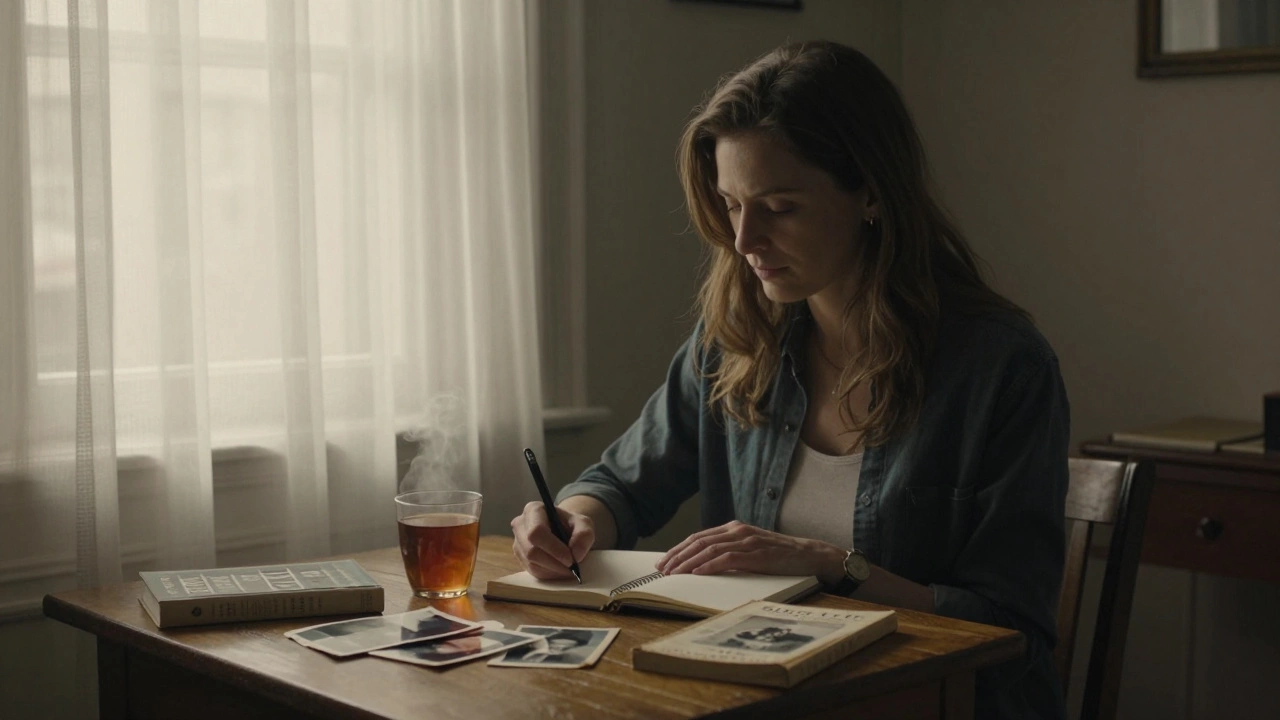
There was a period when I thought I needed to disappear to be safe. I moved cities, changed names, avoided mirrors. But hiding didn’t fix anything. What did was speaking up-not in protest, not in shame, but in clarity. I started writing. Not about the clients, not about the money, but about the quiet moments: the woman who brought me tea because she said I looked tired, the student who thanked me for listening when no one else would, the night I finally paid off my sister’s medical bill without asking for help. That’s when I realized: my story wasn’t about what I did. It was about why I kept going.
I didn’t start out in London. I came from a small town in South Australia where the only jobs for women like me were waitressing, cleaning, or silence. But when I moved to the UK, I found something unexpected-not just opportunity, but community. Not all of it was glamorous. There were bad nights, bad clients, bad cops. But there were also women who taught me how to screen calls, how to set boundaries, how to say no without apology. One of them, a Filipina woman who’d been doing this for over a decade, told me, "You don’t have to be proud of the job. Just proud of how you do it." That stuck with me.
People assume sex work is all the same. It’s not. There’s a difference between being forced into it and choosing it. There’s a difference between working alone and working with others. And there’s a difference between being seen as a criminal and being treated as a worker. I’ve met people who call themselves "asian escort girl london" because that’s how they market themselves online. It’s not a label I use-I’m not a stereotype-but I know why some do. It’s about visibility. It’s about survival. Algorithms favor certain words. Clients search for specific phrases. If using those terms means you can pay rent and eat, then you use them. That’s not exploitation. That’s adaptation.
I’ve had clients who were doctors, teachers, veterans, single dads. I’ve had ones who cried, ones who talked for hours, ones who never said a word. I’ve had ones who offered me more than money-books, advice, connections. One man sent me a copy of Audre Lorde’s essays after our session. He wrote a note: "You’re more than what they say you are." I still have it.
There’s a myth that sex workers are invisible. We’re not. We’re in every neighborhood, every city, every corner of the internet. In East London, you’ll find women who work out of flats in Bow, who meet clients in cafés near Hackney Wick, who post on platforms that don’t name them but know their schedules. Some call themselves "escort girl east london" because that’s the local keyword that gets them found. It’s not romantic. It’s practical. It’s how they feed their kids, pay their bills, keep their lights on.
Legalization doesn’t fix everything, but decriminalization does. When sex work is treated like work, not crime, people can report abuse without fear. They can get bank accounts. They can open clinics. They can unionize. In New Zealand, where sex work has been decriminalized since 2003, workers report higher safety, better mental health, and more access to healthcare. In the UK? We’re still stuck in a loop of raids, stigma, and silence. But change is coming. Slowly. Through stories like mine.
I don’t work anymore. Not because I had to quit, but because I didn’t need to anymore. I saved enough. I went back to school. I’m studying social policy now. But I still talk to women who are in it. I still listen. I still remind them: your worth isn’t tied to your job title. Your dignity isn’t up for auction. And your story? It’s yours to tell.
If you’re reading this and you’ve ever judged someone for doing this work, I don’t blame you. We’re taught to fear what we don’t understand. But maybe start by asking: what would you do if you had no safety net? If your rent was due tomorrow and your options were clean or desperate? What would your choice be then?
My story isn’t about redemption. It’s about recognition. I’m not a victim. I’m not a villain. I’m a woman who made a choice-and I’m still here, still speaking, still writing. And that’s the only ending that matters.